
Each summer, your water bill performs acrobatics watching an ongoing circus act of hot and cold, high and low water usage. The yard is crying for help; water has to be given, but spraying feels like a waste: water streams down the driveway, patches come on during rainstorms, and a few areas are soggy while others look like the desert. Smart sprinkling systems equipped with robust technology solve these problems, making water use more efficient while bringing the lawn back to health at the same time.
Flier’s Sprinkling Systems has been in the irrigation business for over six decades, helping Grand Rapids homeowners every step of the way. The shift to smart sprinkling systems is the most practical approach we have seen for reducing costs and conserving water.
This blog breaks down how these systems work and their financial viability for your property.
What Makes a Sprinkling System “Smart”?
Smart sprinkling systems are those that receive weather forecasts and climate information, as well as real-time data about their location (environmental conditions). And are then remotely controlled manually via your smartphone. The difference between a traditional system and a smart one is the latter’s adaptive response. Your old clock runs on a set timetable; it doesn’t know anything about the weather, soil, or even what a plant needs. Smart sprinkling systems gather real-time information and base choices on present circumstances instead of assumptions. This watering plan cuts down on water wastage and reduces water bills.
How Weather Integration Eliminates Unnecessary Watering
1. The Rainfall Response
Smart sprinkling systems are networked to the local weather stations. When rain provides enough moisture, the system skips irrigation cycles. The system no longer runs sprinklers during or immediately after a rainstorm. The system measures precipitation and adjusts watering schedules. Thereby, eliminating any wastage through timer-based systems.
2. Temperature Adjustments
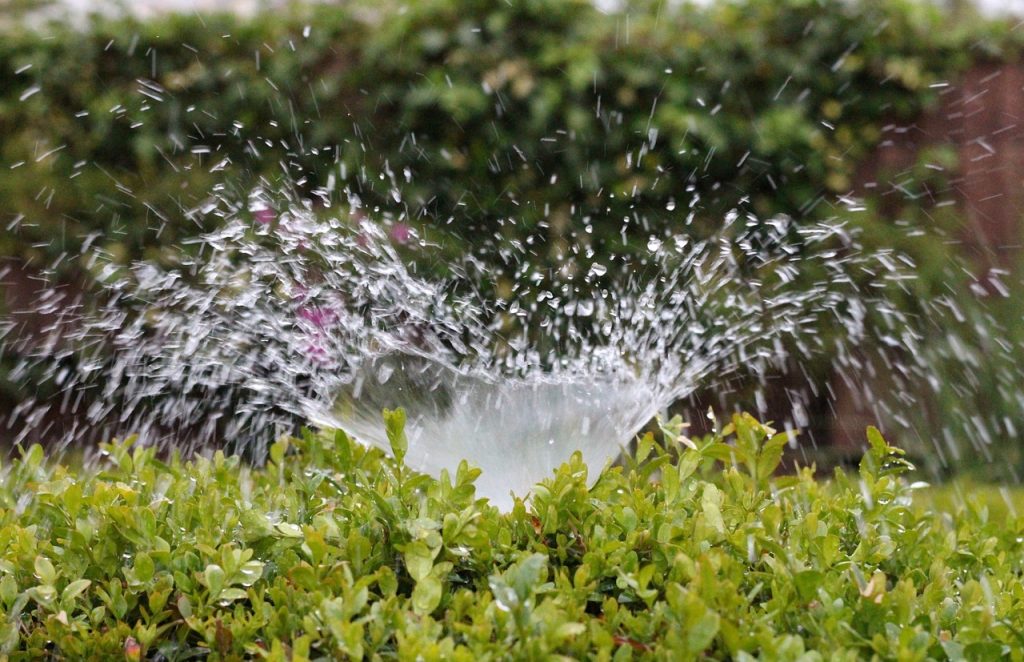
Plant hydration levels differ for each season. Lawns demand more hydration during summers. Evaporation rates drop significantly in wet and overcast times. Smart sprinkling systems recognize these situations and shorten the watering period. It extends the cycles during the hot weather with low humidity and adds compensation for evaporation. This continuous calibration matches water application to actual atmospheric demand.
Source: https://pixabay.com/photos/irrigation-splash-water-sprinkler-2402568/
3. The Schedule of the Seasons
The water needs of grass vary between the summer and the autumn. For that reason, the smart system automatically adapts the watering according to the seasons. Self-irrigation is the goal of smart watering, with an autonomous robot sprinkler. From these elements it estimates the exact water needs of the plant starting with the readings of environmental temperature, humidity, and sunlight.
Every day, it will irrigate the garden to the intended level without any water leaking. This will save you money on your energy bills and allow your grass to adapt to the new watering techniques.
Zone-Specific Programming
The side yard in shadow most afternoons has very different demands than the front lawn that absorbs full sunlight all day. While the slope around your driveway drains fast, the flat space out back retains moisture much longer. Conventional sprinklers don’t pick up on these differences. Regardless of what each region truly needs, they run every zone for the same amount of time using the same volume of water.
Contemporary spraying systems transform this strategy. Depending on the amount of sunlight, the type of soil, the slope angle, and plantation, you can set each zone separately. Areas exposed to the sun need longer watering durations. For instance, the sunniest zones will get more water. The areas that are shaded will be getting less of it. The slopes will benefit from cycle-and-soak programming that stops runoff, and this is why it is important.
On one hand, overwatering costs you money in the water bills, and on the other hand, it creates shallow roots that need even more water later. Proper calibration results in the development of deep and drought-resistant roots.
Soil Moisture Sensors: Direct Precision
Installed throughout your house, soil moisture sensors assist in measuring the volume of water in the soil beneath the surface. The system waters when the moisture drops below your desired level. Thus, it performs correctly even if you have it on a schedule or a day that is not a watering day.
The premise of the calendar-watering method is that the grass doesn’t have to be watered because it is Thursday. It only needs water when the soil moisture level decreases too much. The sensors inform this directly, so there is no need for assumptions. In a typical spring with rain, the sensor-based systems could be running only a small fraction of their normal schedule. And, in dry summers, they will be running more. The system responds to reality and not the guessed scenarios.
The additional advantage is that sensors can avoid overwatering, which leads to fungal diseases such as brown patch and dollar spot, that require expensive treatments to remediate.
Leak Detection and Water Flow Monitoring
Smart sprinkling systems are irrigation networks that track moisture levels throughout the field. By steadily increasing the watering duration during the hottest period of the year and then decreasing it when fall comes, the sprinkling system automatically adapts to the weather conditions. Sprinkling systems track water flow to determine whether the irrigation system is operating as expected. They alert you of leaks, damaged lines, and broken sprinkler nozzles and establish standards for every area.
A broken sprinkler head can potentially waste large amounts of water without being detected for extended periods of time. The monitoring of flow, however, identifies failures immediately. The line breaks are more problematic because they can lead to system shutdown and inflate water utility bills. This feature also lets you track aged sprinkler heads that spray incompletely and waste water.
Remote Control and the Real-time Adjustments
Your traditional timer can’t find out if you’re on vacation or if a thunderstorm just dropped an inch of rain while you were at work. Smart sprinkling systems link with your phone and give you access to correcting or cancelling cycles automatically from wherever you are.
This power of flexibility is the basis for waste reduction. You know it rains a lot at lunchtime, so you cancel the watering cycle for that evening. You are gone for a week, so you reduce the watering days. At the same time, the zone that looks stressed gets extra run time, which is enough to get back on track. Responsive management—even little involvement—yields quantifiable savings over a whole season, increasing efficiency.
Cycle-and-Soak Method for Better Soil Water Intake
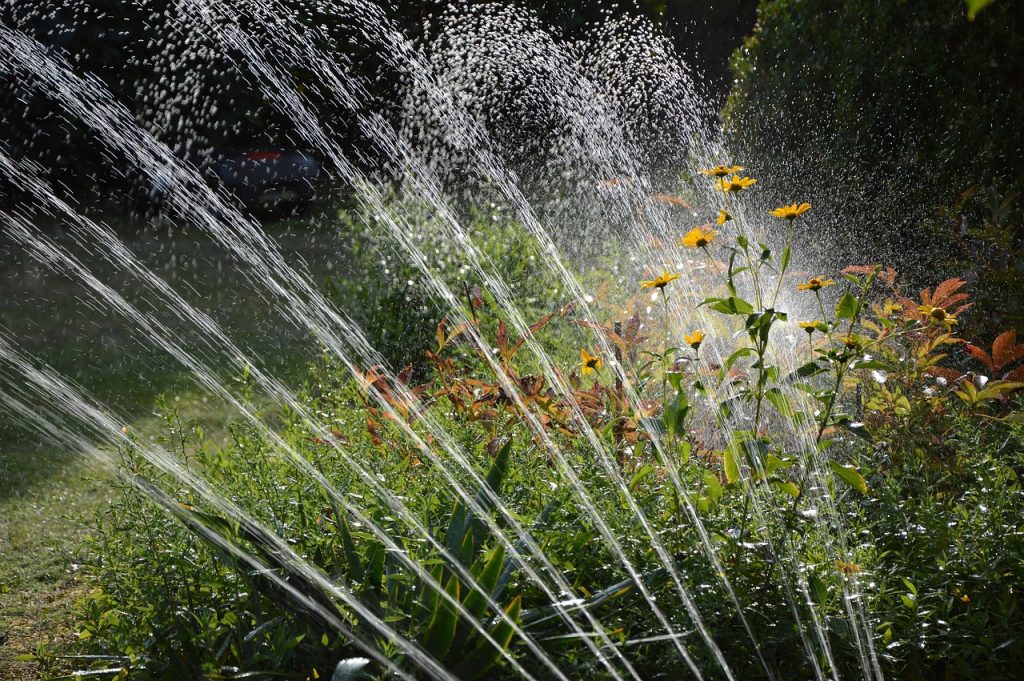
The heavy clay soil usually has difficulty absorbing water compared to other types of soil. The operation of the system, quicker than the absorption rate of the soil, would cause unique water runoff; thus, it will be impossible for the roots to absorb the moisture. The smart sprinklers are designed to fix this issue, utilizing cycle-and-soak programming. After a break, they will begin each zone’s operation with smaller intervals to allow the water to sink in before the next application. This would be beneficial for slopes and in areas with heavy clay.
Source: https://pixabay.com/photos/garden-irrigation-water-sprinkler-3664278/
Evaluating the Investment
The availability of smart-increment upgrades to current sprinkling systems varies depending on your property and choicest features. The payback period depends on the current water cost and waste produced by the existing system. The property with older, badly designed systems benefits more from the upgrade.
Apart from the direct savings on water, consider the longevity of equipment that will be achieved through good pressure management, reduced cover costs for the lawn due to low moisture, and eliminating waste from spotting the leak at the beginning. The entire value takes into account several cost categories, not only the water line on your utility bill.
Things to Take into Account Before Upgrading
Not every property needs every smart feature. Professional installation of the soil moisture sensors comes with direct efficiency gains. Weather-based controllers, on the other hand, give the best savings with quick installation. Flow monitoring saves money by locating expensive failures, but it is most relevant for larger properties.
At Flier’s Sprinkling System, we first analyze your specific property, current system condition, typical water usage patterns, soil types, and problem areas. This lets us recommend features that address your actual inefficiencies rather than selling technology you don’t need
Proper setup and calibration are both important. Zone programming, for instance, requires accurate information about soil type and sun exposure. Sensors need correct placement. Controllers require a strong and reliable internet connection to use weather integration.
Why Professional Installation is Key
The efficiency of smart sprinkling systems depends on the proper initialization. The professional installation ensures all these particulars will be handled right from the beginning.
At Flier’s Sprinkling Systems, our Toro-certified installers are equipped with the training and experience to optimize smart technology for Grand Rapids conditions. They are acquainted with the local soils, typical climate conditions, and general irrigation challenges in West Michigan.
We also provide ongoing service that keeps smart systems performing efficiently. Periodic maintenance, which includes activities like software updates, sensor calibrations, and seasonal adjustments, assures that your investment continues to yield returns in annual savings.
Ready to upgrade? Call Flier’s Sprinkling Systems or visit our Center location for a free consultation on smart irrigation solutions.


